9 June 2026
The AI Ecosystem Shift: Apple’s New Strategy, Enterprise Agentic Scaling, and Manufacturing Innovation
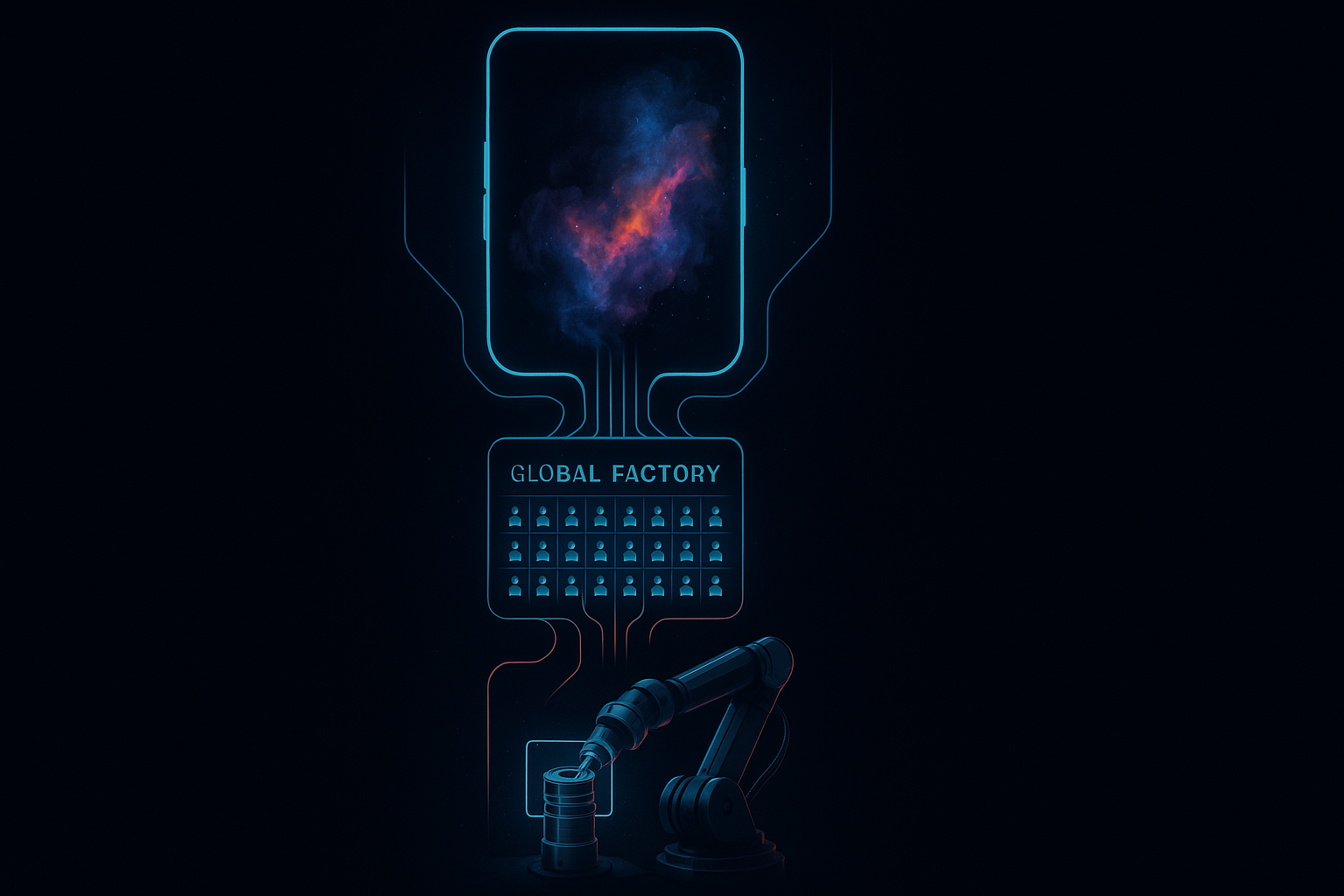
The AI industry is evolving from foundational model hype to strategic ecosystem integration. As of today, the focus has shifted toward consumer-grade AI personalization, industrialized agent deployment, and high-performance manufacturing.
Here’s the breakdown of what really matters today.
- Apple’s Strategic Pivot: The "Siri AI" and Gemini Integration Apple has officially unveiled "Siri AI" and a broader suite of "Apple Intelligence" features at its WWDC 2026 keynote. In a significant strategic shift, Apple has opted to license high-performance foundation models—most notably via a deal with Google for its Gemini family—rather than training its own from scratch. This rebooted Siri can now work across apps, understand cross-app context, and provide personal suggestions based on on-device data.
Why it matters: Apple is positioning its devices as the ultimate "privacy-first" hub for AI. By combining local on-device processing with flexible, licensed cloud models (like Gemini), Apple avoids the massive capital burden of training frontier models while maintaining control over the user experience and ecosystem distribution.
- Industrialized Agent Scaling: NTT DATA and Google Cloud NTT DATA has announced an expanded collaboration with Google Cloud to help enterprises move AI agents from pilot programs to full-scale production. The partnership aims to deploy up to 500 industry-specific AI agents, targeting business processes in sectors like banking, insurance, and retail. NTT DATA plans to train 5,000 certified experts to support this "global factory model" for agentic AI deployment.
Why it matters: The challenge for enterprises is no longer just technology access but scaling "reusable building blocks" for AI. This model signals a shift toward standardized, repeatable deployment of AI agents that can actually transform core workflows, supported by deep industry expertise and secure, sovereign-ready infrastructure.
- Precision Manufacturing: AI-Driven Metrology and Inspection In the manufacturing sector, today’s announcements highlight a surge in AI-integrated quality control. From Mitutoyo’s new high-accuracy scanning probes to General Inspection’s Gi-307 platform for mission-critical fastener inspection, AI is becoming the engine for precision metrology. These tools allow manufacturers to automate inspection and sorting at speeds and accuracies previously unattainable.
Why it matters: This is the "embodied" side of the AI revolution. By weaving AI into the physical inspection of mission-critical components, manufacturers are reducing defects, improving safety, and optimizing production pipelines in defense, automotive, and industrial sectors.
Resources for Further Learning: India Today: Complete Apple WWDC 2026 AI Keynote Recap NTT DATA: Accelerating Enterprise AI from Pilots to Production Metrology News: 2026 Survey on AI Adoption in Industrial Quality Control
Author: Neha Chavan