10 June 2026
The AI Frontier: Apple's Strategy, Enterprise Scaling, and Compute Sovereignty
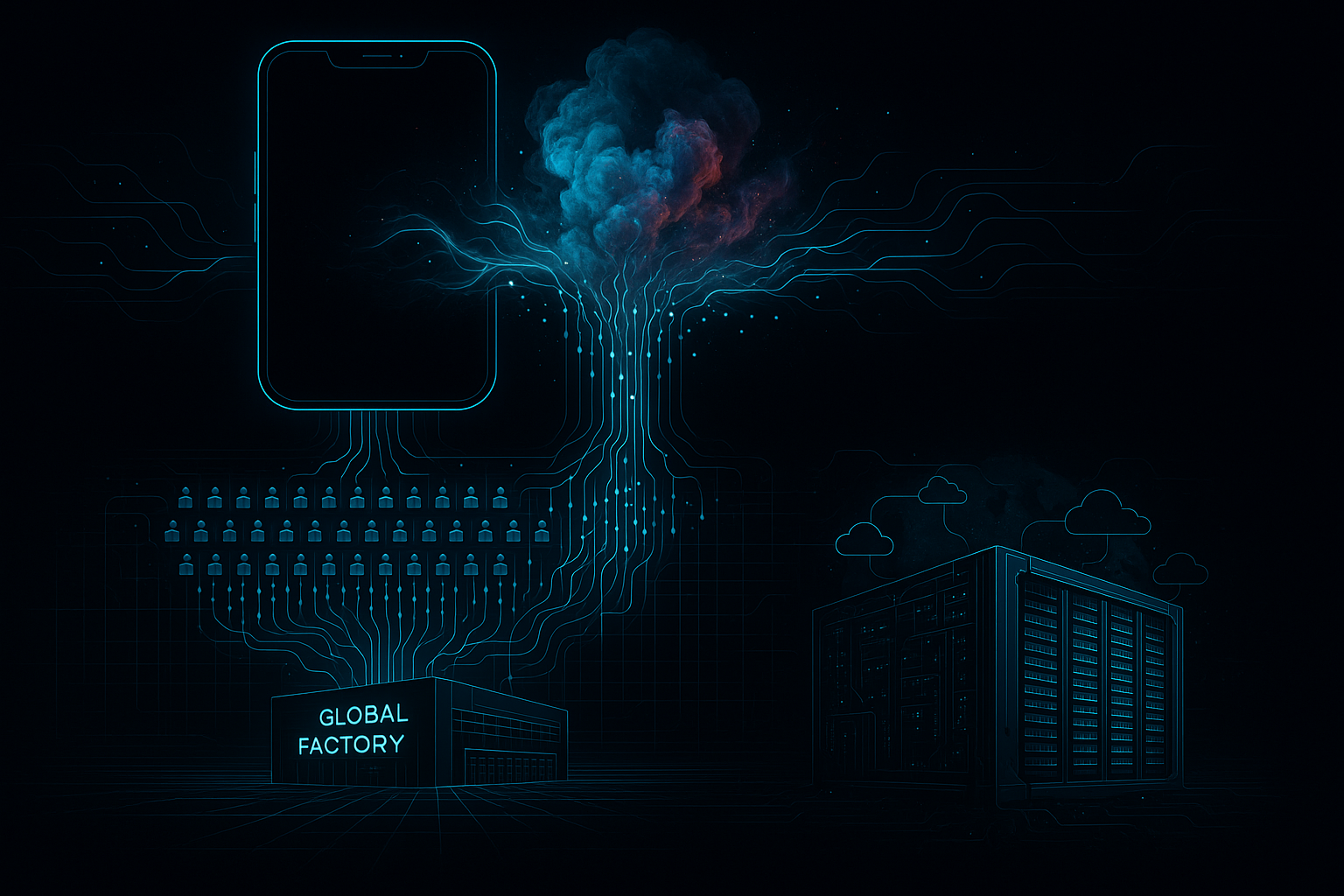
The AI industry is rapidly evolving, moving from experimental chatbots to deep, structural integration within our operating systems, enterprises, and infrastructure. As of mid-June 2026, the focus is squarely on how AI is becoming a "utility" that powers our daily tools and business backbones. Here is your breakdown of what matters today.
- Apple’s Strategic Shift: The New "Siri AI" Apple has officially unveiled "Siri AI" and the "Apple Intelligence" suite at WWDC 2026. In a major strategic pivot, Apple has decided to license high-performance foundation models—most notably via a deal with Google for its Gemini family—rather than training its own from scratch. This rebooted Siri is designed to be a private, on-device hub that can understand cross-app context and perform personal actions, while securely routing more complex tasks to licensed cloud models.
Why it matters: Apple is positioning its devices as the ultimate "privacy-first" hub for AI. By combining local, on-device processing with flexible, licensed cloud models, Apple avoids the massive capital burden of training frontier models while maintaining total control over the user experience and ecosystem distribution.
- Scaling Enterprise AI: The "Factory Model" NTT DATA and Google Cloud have announced an expanded collaboration to help enterprises move AI agents from pilot programs to full-scale production. The partnership aims to deploy up to 500 industry-specific AI agents, targeting business processes in sectors like banking, insurance, and retail. To support this, NTT DATA plans to train 5,000 certified experts in what they are calling a "global factory model" for agentic deployment.
Why it matters: The bottleneck for enterprises is no longer just technology access but the ability to scale "reusable building blocks" for AI. This model signals a massive shift toward standardized, repeatable deployment of agents that can transform core workflows with deep industry expertise.
- The "Compute Economy" Deal of the Decade In one of the largest infrastructure deals in tech history, SpaceX has entered into a multi-year cloud services agreement with Google. Under the deal, Google will pay SpaceX approximately $920 million monthly to lease compute capacity, including roughly 110,000 Nvidia GPUs. This agreement is designed to meet "bridge capacity" for surging, unexpected demand for Google's agent platform, Gemini Enterprise.
Why it matters: This deal validates the strategic value of massive, localized data centers. As the compute economy shifts from simple API calls to the power required for sophisticated "agentic" workflows, control over specialized, high-capacity hardware is becoming the single most important competitive advantage in the industry.
Author:Neha Chavan