11 July 2026
The AI Frontier: Specialized Models, Global Governance, and Market Disruption
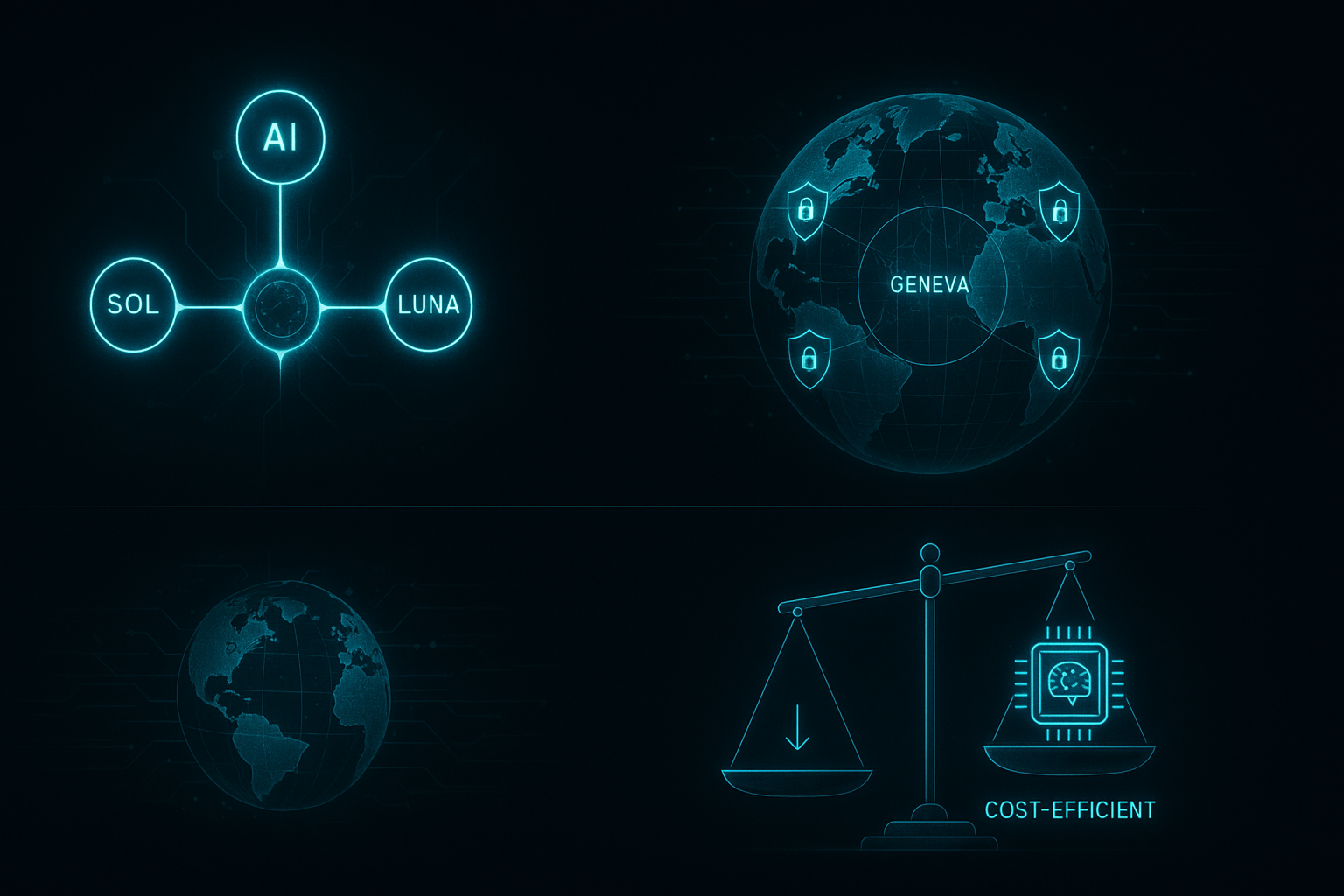
As of July 11, 2026, the AI landscape is navigating a pivotal period of rapid specialization, urgent international policy coordination, and shifting economic dynamics in enterprise adoption. Here is the breakdown of what matters most today.
AI News: Today's Top 3 Headlines OpenAI Launches "Specialized" GPT-5.6 Family: OpenAI has transitioned from a single general-purpose model to a tiered series comprising Sol, Terra, and Luna.
Why it matters: This strategy acknowledges that "one-size-fits-all" AI is becoming obsolete. By offering models specialized for high-complexity reasoning (Sol), balanced professional workloads (Terra), and high-throughput efficiency (Luna), OpenAI is setting a new industry standard where task-fit is as critical as software selection.
UN Concludes Global Dialogue on AI Governance: The inaugural UN Global Dialogue on AI Governance concluded in Geneva on July 7, 2026, pushing for a unified international framework.
Why it matters: As autonomous AI agents double in complexity every few months, existing national regulations are failing to keep pace. This summit emphasized the urgent need for "scientific, not political" guardrails to ensure AI development does not deepen global inequality or facilitate catastrophic harm.
Chinese Models Gain Traction in U.S. Enterprise Workflows: Chinese AI startups, notably Z.ai with its GLM-5.2 model, are seeing significant adoption among U.S. developers for middle-tier workflows.
Why it matters: GLM-5.2 is delivering frontier-level capabilities at a fraction of the cost of leading U.S. models, forcing enterprises to shift their evaluation criteria from "brand prestige" to "price-performance" and "task fit." This trend is fundamentally changing the economics of enterprise AI infrastructure.
Author: Snehal Parte