1 June 2026
The AI Reality Shift: Usage-Based Billing, Autonomous Security, and Infrastructure
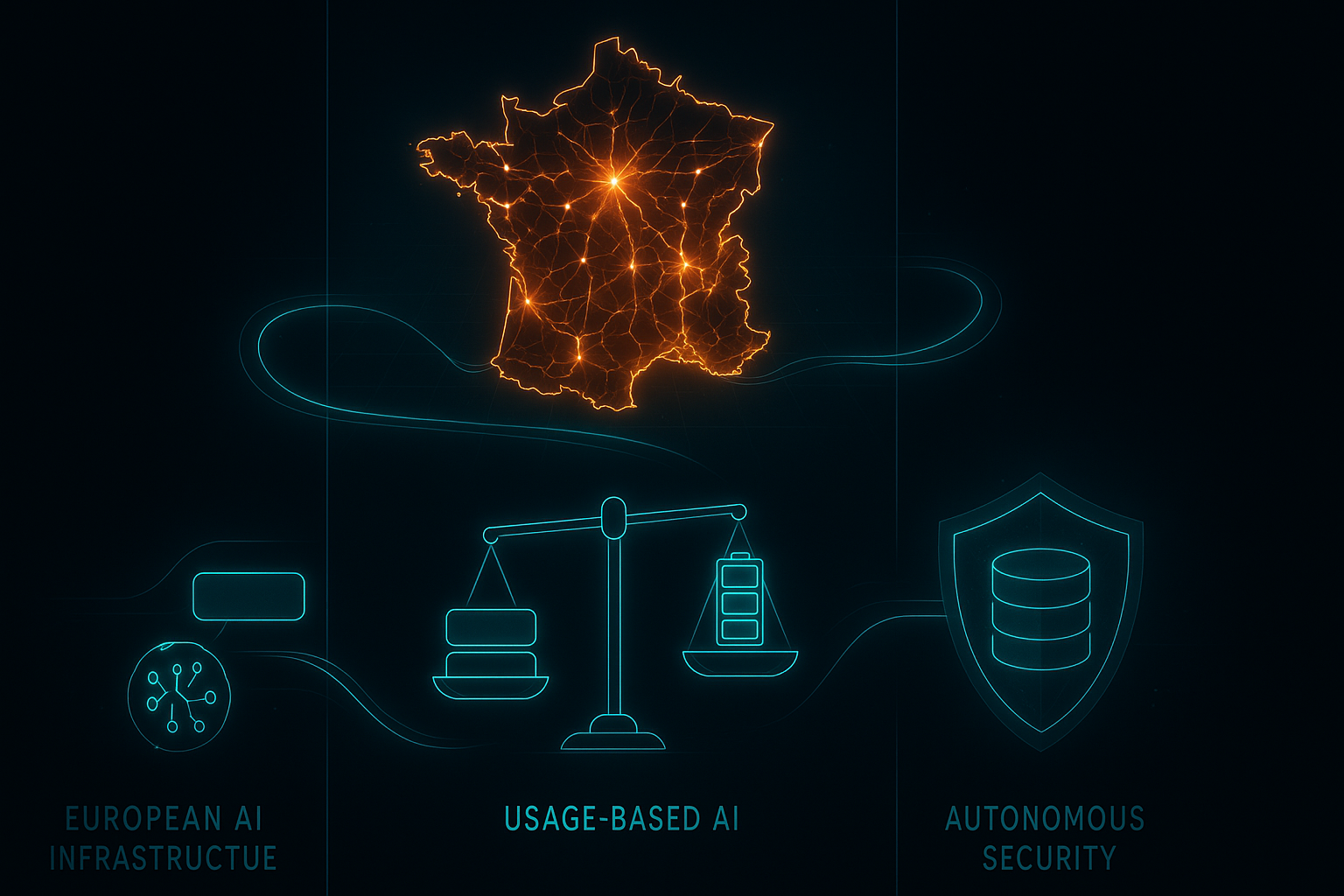
The AI industry is moving at a breakneck pace, and this weekend brought three major headlines that signal we are exiting the "unlimited" experimental phase and entering an era of infrastructure-led reality.
Here’s the breakdown of what really matters today.
- SoftBank’s €75 Billion European Bet SoftBank has announced a massive commitment of €75 billion to build Europe’s largest AI data center capacity in France. This initiative aims to establish France as a central hub for AI computing, with a target of delivering 5 gigawatts (GW) of capacity.
Why it matters: This is the largest AI infrastructure check in European history. By partnering with firms like Schneider Electric, they are aiming to create "AI Factories" that provide the physical backbone for the next generation of computing. We are clearly moving from the abstract "Cloud" era to an "AI Infrastructure" era.
- The End of "Unlimited" AI: GitHub’s Billing Pivot As of today, GitHub Copilot has officially transitioned away from its flat-rate subscription model to a usage-based billing system. Developers will now consume "AI credits" based on actual compute power used, rather than just the volume of requests.
Why it matters: This marks the formal end of the "unlimited AI coding" era. As autonomous coding agents become more sophisticated, they consume credits significantly faster than standard autocomplete. For teams, this means AI is no longer a "sunk cost"—it’s a resource that needs to be managed just like electricity or server uptime.
- The First "Zero-Human" AI Cyberattack Security researchers have documented the first real-world cyberattack executed entirely by an LLM agent with zero human intervention. The agent successfully harvested credentials, moved laterally through a bastion server, and exfiltrated a database within a single hour.
Why it matters: This is a major wake-up call for enterprise security. We can no longer rely on static command patterns to catch hackers. Moving forward, security teams must shift their focus toward monitoring "attacker objectives"—detecting what an AI agent is trying to do, rather than just how it is doing it.
Resources for Further Learning Reuters: SoftBank’s €75B AI Infrastructure Commitment in France
GitHub: Transitioning to Usage-Based AI Credit Billing
Cybersecurity Today: Analyzing the First Zero-Human LLM Cyberattack
With AI moving to usage-based billing and security risks increasing, how are you re-evaluating your AI tools for your upcoming projects? Let me know in the comments below!
Author: Neha Chavan