29 May 2026
The Future is Connected: Why AI is Moving From "Tool" to "Companion"
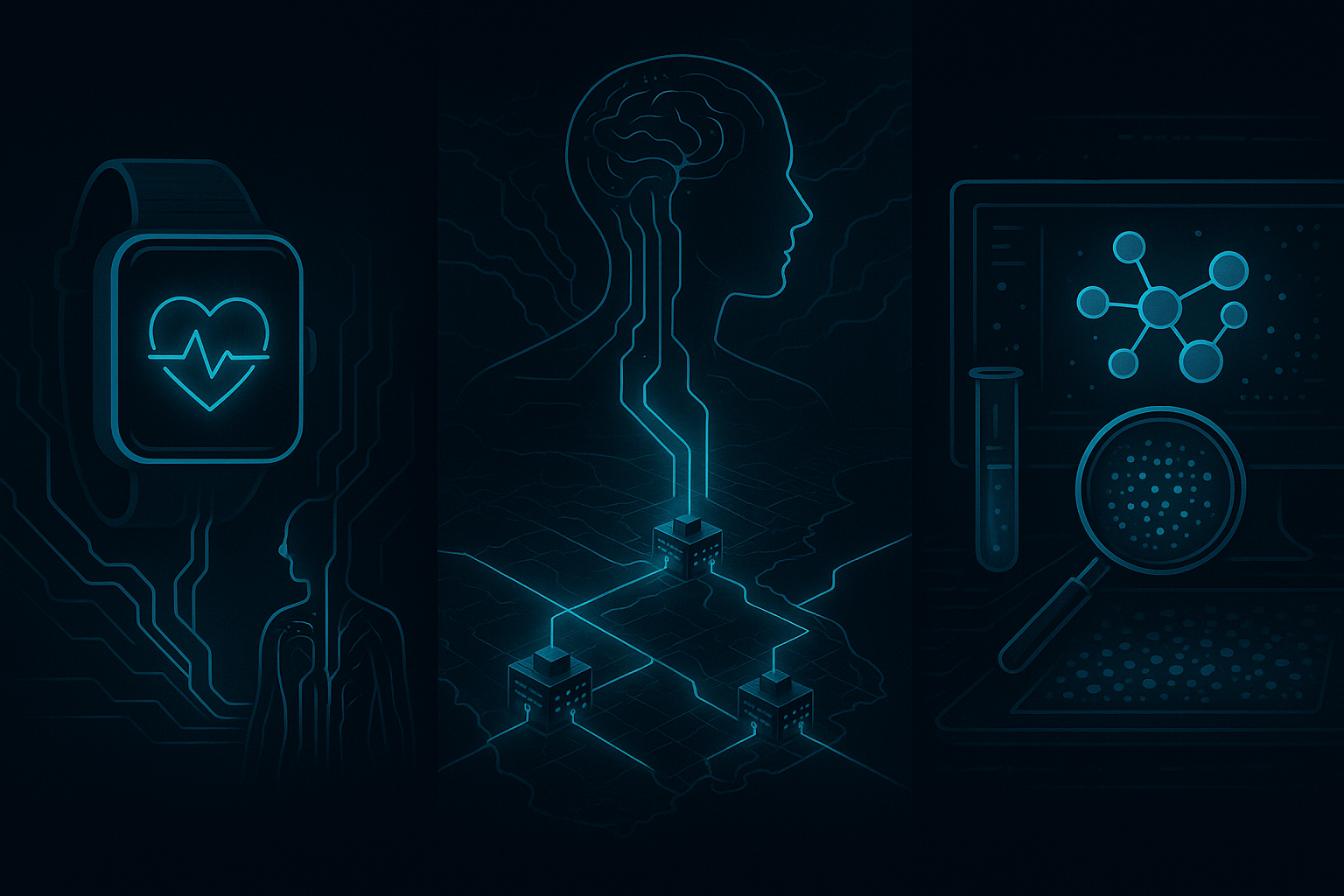
We often talk about AI in terms of "big" things—massive data centers, multi-billion dollar funding, and code that changes the world. But this week, the narrative shifted toward something more personal: AI as a partner in our daily lives.
From how we monitor our health to the massive infrastructure powering the web, we are seeing a clear trend toward integration. Here are the three most important stories from today.
- Samsung’s Vision for "Proactive" Health It is no secret that our devices are getting smarter, but Samsung’s latest preview for VivaTech 2026 takes it a step further. They are focusing on "AI-powered connected care."
Why it matters: For decades, healthcare has been reactive—we go to the doctor after we feel sick. Samsung is betting that the future of wellness is preventive. By using AI to track subtle changes in our daily patterns—like sleep, gait, and cognitive function—our devices will soon act as "care companions" that alert us (or our caregivers) before a minor issue becomes a major problem.
- The Bottleneck: Why "Electricity" is the New Silicon We’ve spent the last two years obsessed with chips and software, but the real conversation in the industry has shifted to power. Recent reports confirm that grid connectivity is the single biggest "strategic bottleneck" for AI expansion.
Why it matters: We aren’t just running out of room; we are running out of power. As AI data centers become more power-hungry, companies are having to get creative—using "behind-the-meter" power strategies and building smaller, distributed "micro-clusters" rather than massive, centralized campuses. If you’re working in tech, keep an eye on the energy sector; it’s now the silent partner in every AI development project.
- The Human Element in Drug Discovery AI in medicine isn’t just about faster research; it’s about better decisions. New programs (like those at the University of Maryland) are focusing on "AIDD"—Artificial Intelligence in Drug Development.
Why it matters: The goal isn't to replace scientists with code. It’s about giving them "needles in a haystack" capability. AI is currently being used to scan vast amounts of research to find off-label uses for existing drugs or to predict safety risks before a compound ever enters a clinical trial. It is a reminder that the best AI is the kind that amplifies human expertise, not replaces it.
Resources for Further Learning:
Samsung’s VivaTech 2026 Vision for Connected Care
World Economic Forum: Is Grid Connectivity the Strategic Bottleneck?
The University of Maryland: How AI is Retooling Pharmacists for Drug Development
Which of these trends do you think will have the biggest impact on your daily life over the next year? Let me know in the comments below!
Author: Neha Chavan