8 June 2026
The Multi-Model Paradigm: Big Tech Shifts, Sovereign Ownership, and Enterprise Governance
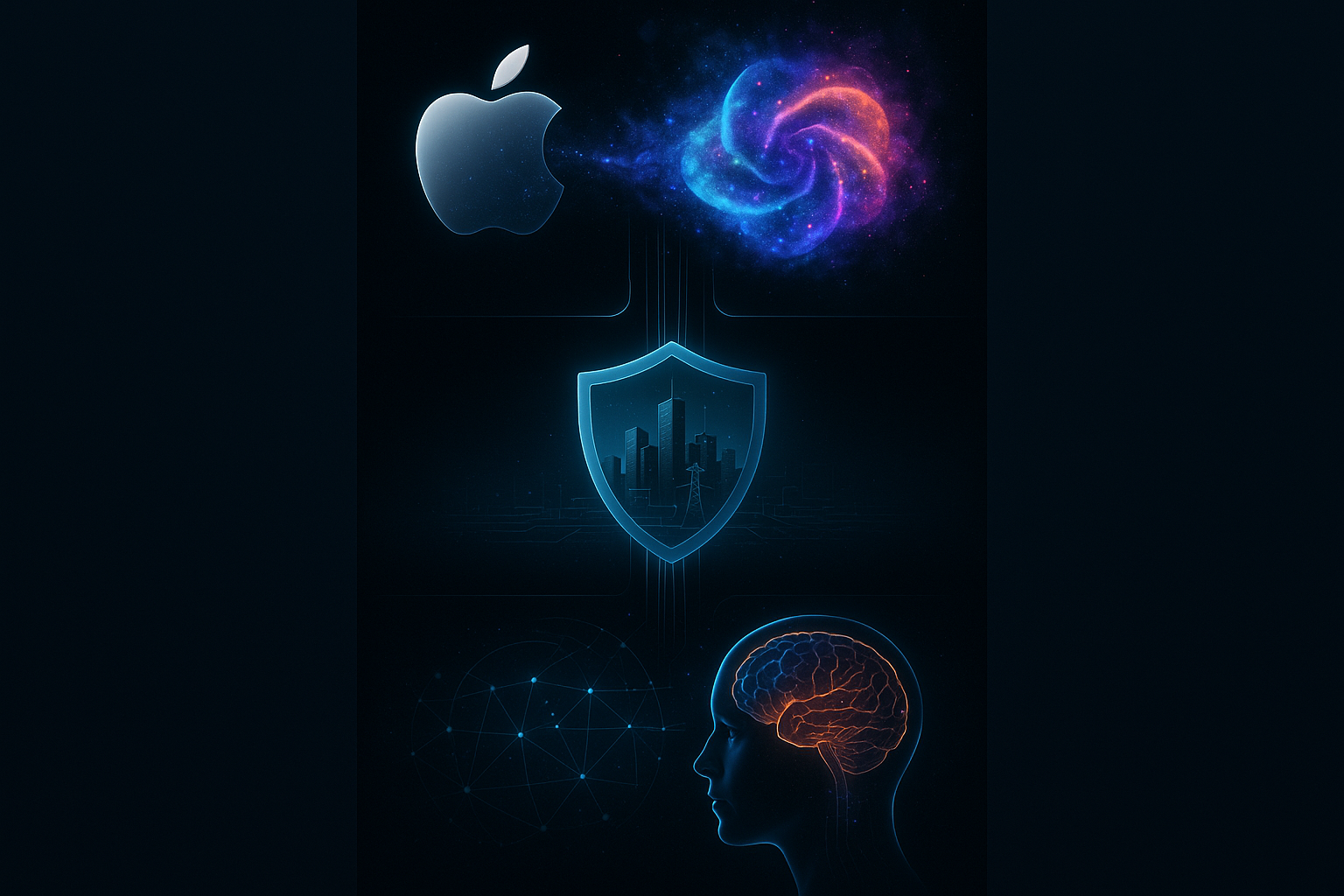
The AI landscape is shifting rapidly under our feet today as we enter the second week of June 2026. We are witnessing a massive transition from isolated, standalone model metrics to deeply integrated ecosystem plays. The conversation is no longer just about building the single biggest foundational model; it's about who owns the equity, who handles the governance risk, and how consumer distribution power reshapes the market.
Here’s the breakdown of what really matters today.
WWDC 2026: Apple Rebuilds Siri with Google Gemini Apple kicks off its Worldwide Developers Conference (WWDC) today, showcasing a massive, ground-up overhaul of Siri and its "Apple Intelligence" ecosystem. Rather than burning tens of billions in capital expenditure to catch up on standalone cloud infrastructure, Apple has implemented a flexible, multi-model strategy—rebuilding Siri using Google’s Gemini technology under a major licensing agreement while enabling seamless handoffs to external foundational providers like OpenAI and Anthropic.
Why it matters: Apple is positioning itself as the ultimate consumer distribution hub and gatekeeper for AI models. By leveraging local "on-screen awareness" and personal context on Apple Silicon while safely routing heavy processing to licensed cloud models, Apple achieves state-of-the-art AI utility without the crippling CapEx burden of training frontier architectures from scratch. This shifts the industry's leverage back to device ecosystems and user distribution.
The AI Public Equity Cross-Over: Trump and Sanders Converge In a surprising political alignment that has caught the tech industry completely off guard, both ends of the political spectrum are converging on national AI asset policy. President Donald Trump has expressed interest in the US federal government holding direct equity stakes in leading AI firms so the American public can share in the sector's financial upside. Simultaneously, Senator Bernie Sanders has introduced the "American AI Sovereign Wealth Fund Act," proposing a tax framework on frontier AI labs paid entirely in corporate stock.
Why it matters: This unusual political overlap indicates that the US government is moving away from purely standard regulatory frameworks toward active public-private partnerships and state-backed financial stakes in AI infrastructure. For private tech giants navigating rapid expansion, it introduces an entirely new layer of macroeconomic risk and sovereign oversight as they plan upcoming public offerings.
The Enterprise "Control Gap": IBM’s AI Scale Report A major global study released today by the IBM Institute for Business Value reveals a growing operational crisis inside modern enterprise networks. As AI shifts rapidly from experimental sandboxes to corporate-wide automated workflows, two-thirds of surveyed CIOs and CTOs report being held legally and operationally accountable for complex AI decisions that their teams do not fully see or control.
Why it matters: This "control gap" highlights that corporate governance is completely lagging behind the rapid deployment of autonomous systems. As organizations deploy layered, multi-agent pipelines and third-party APIs, auditing accountability and tracing the root causes of data leakage or hallucinations becomes incredibly difficult. The winning move for engineering leaders right now is to prioritize robust visibility, strict input/output observability, and human-in-the-loop validation frameworks over simply adopting more tools.
Resources for Further Learning MacRumors: Apple WWDC 2026 Keynote & Multi-Model Apple Intelligence Preview White House: Strategic Frameworks for Public-Private AI Alliances and Vetting IBM Institute for Business Value: The 2026 Global Tech CxO AI Scale and Governance Study
Author:Neha Chavan